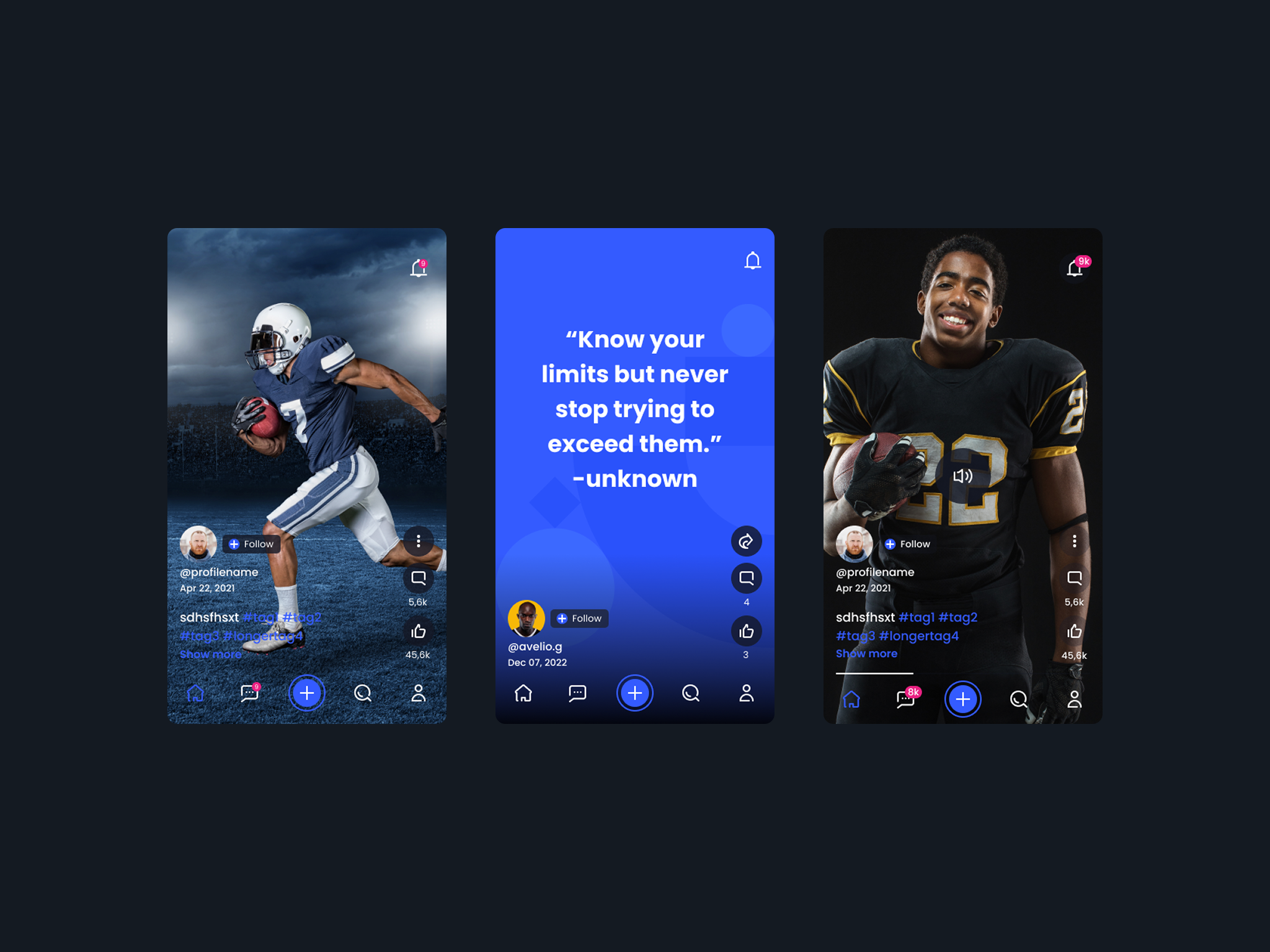
Led end-to-end product design for a social platform with link-in-bio, an NFT marketplace, and NIL club functionality — defining core product structure through research, personas, and IA.
Scroll to explorenXlvl was building a social product with four distinct jobs-to-be-done — athletes managing their personal brand, creators selling NFTs, fans following clubs, and brands running NIL sponsorships. Each audience pulled the interface in a different direction. The risk was ending up with four apps stitched together.
The ask was to define the product from first principles — who are the core personas, what's the primary path, and what's the smallest consistent system that can hold all four.
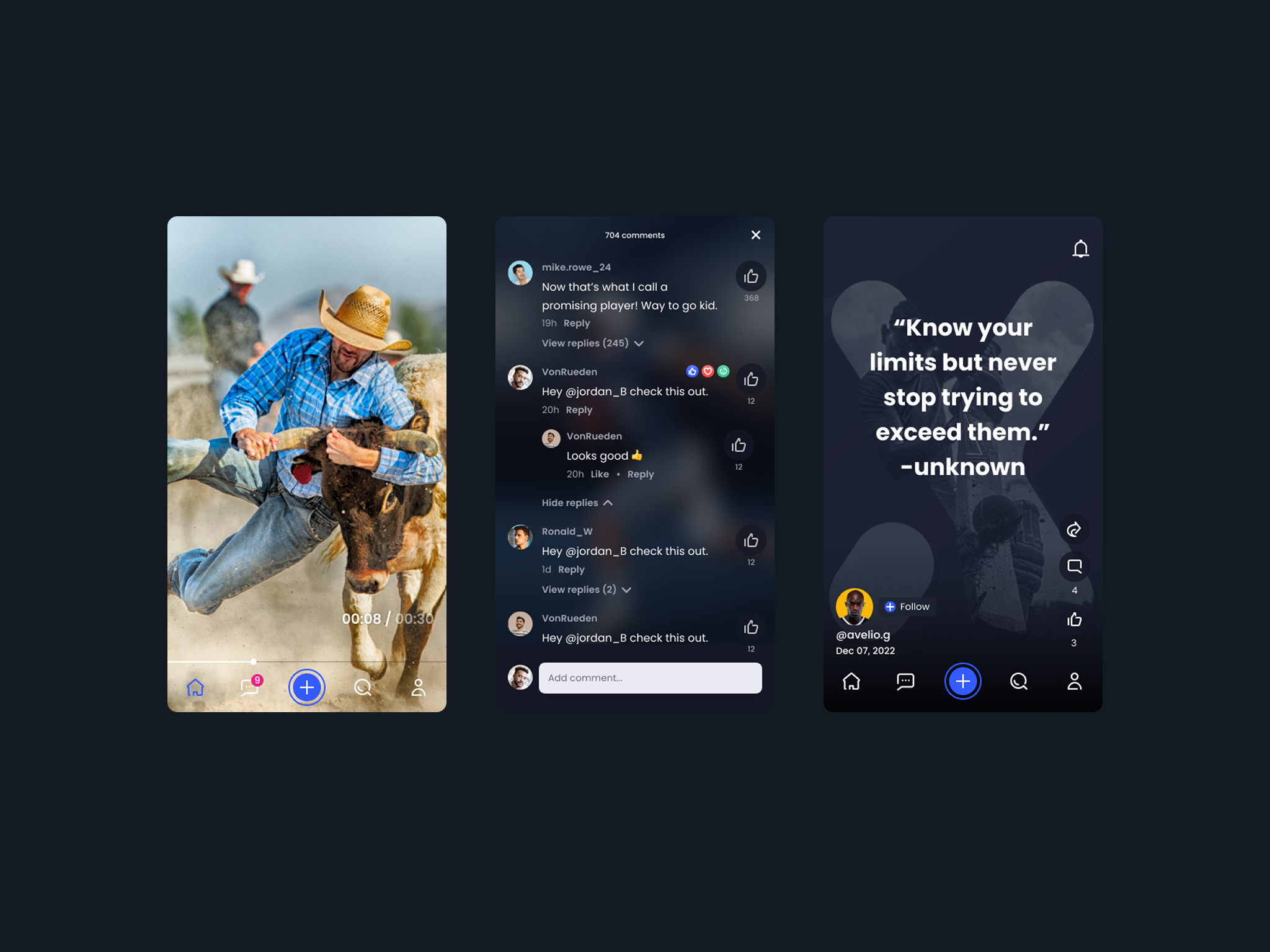
We spent four weeks in discovery — stakeholder interviews, persona mapping, and a review of competing platforms. I defined three core personas (athlete, brand, fan) and mapped their highest-frequency flows. From there we built the information architecture around a single home feed that reconfigures itself per persona.
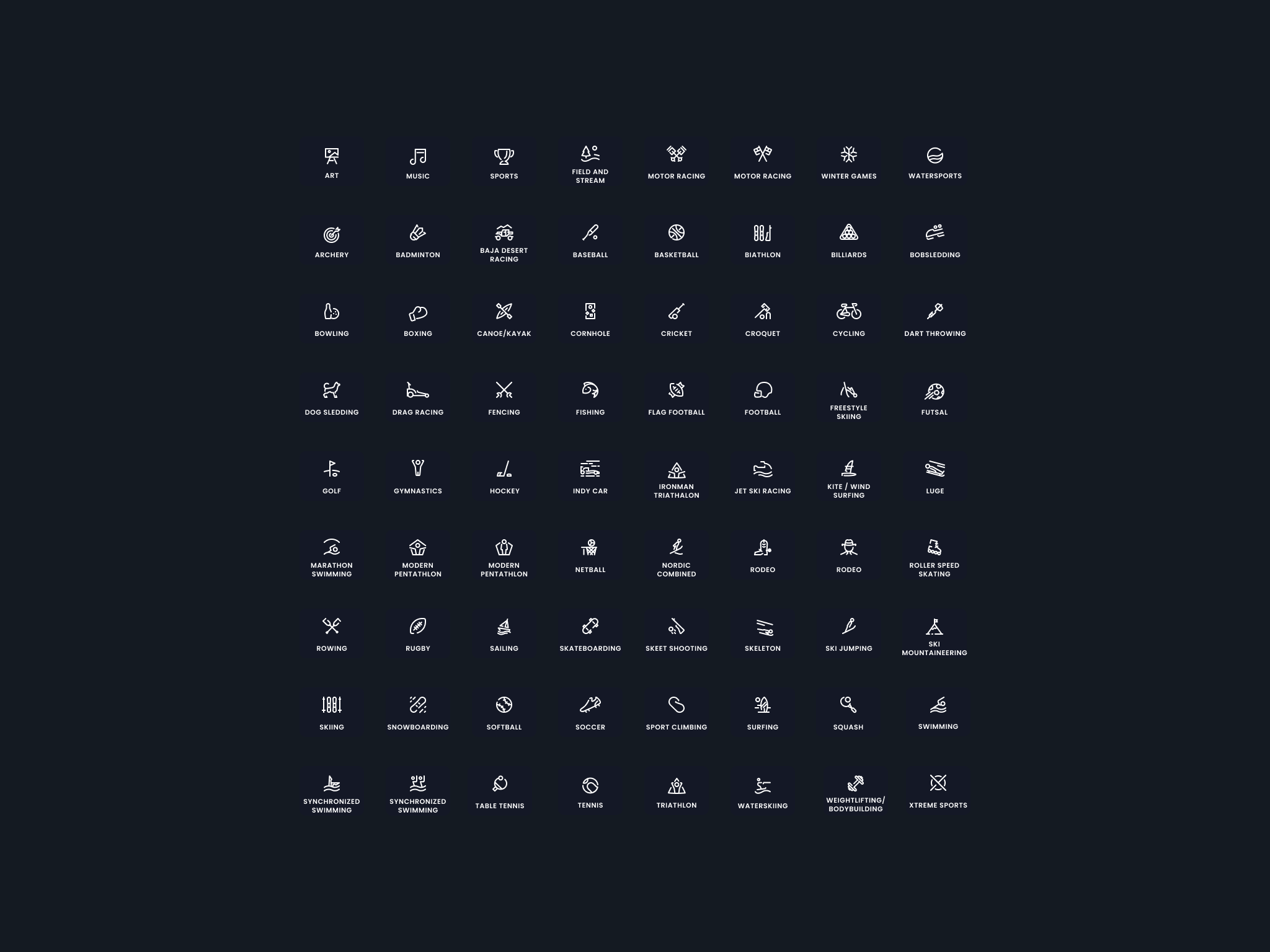
In parallel, I established a design system — tokens, components, and patterns — and documented it alongside a visual language that could flex between product surface and marketing.
The key insight: the same components could carry different modes based on who was signed in. An athlete's home is their profile. A fan's home is their feed. A brand's home is their campaigns. We didn't build four products — we built one with a clean mode switch.
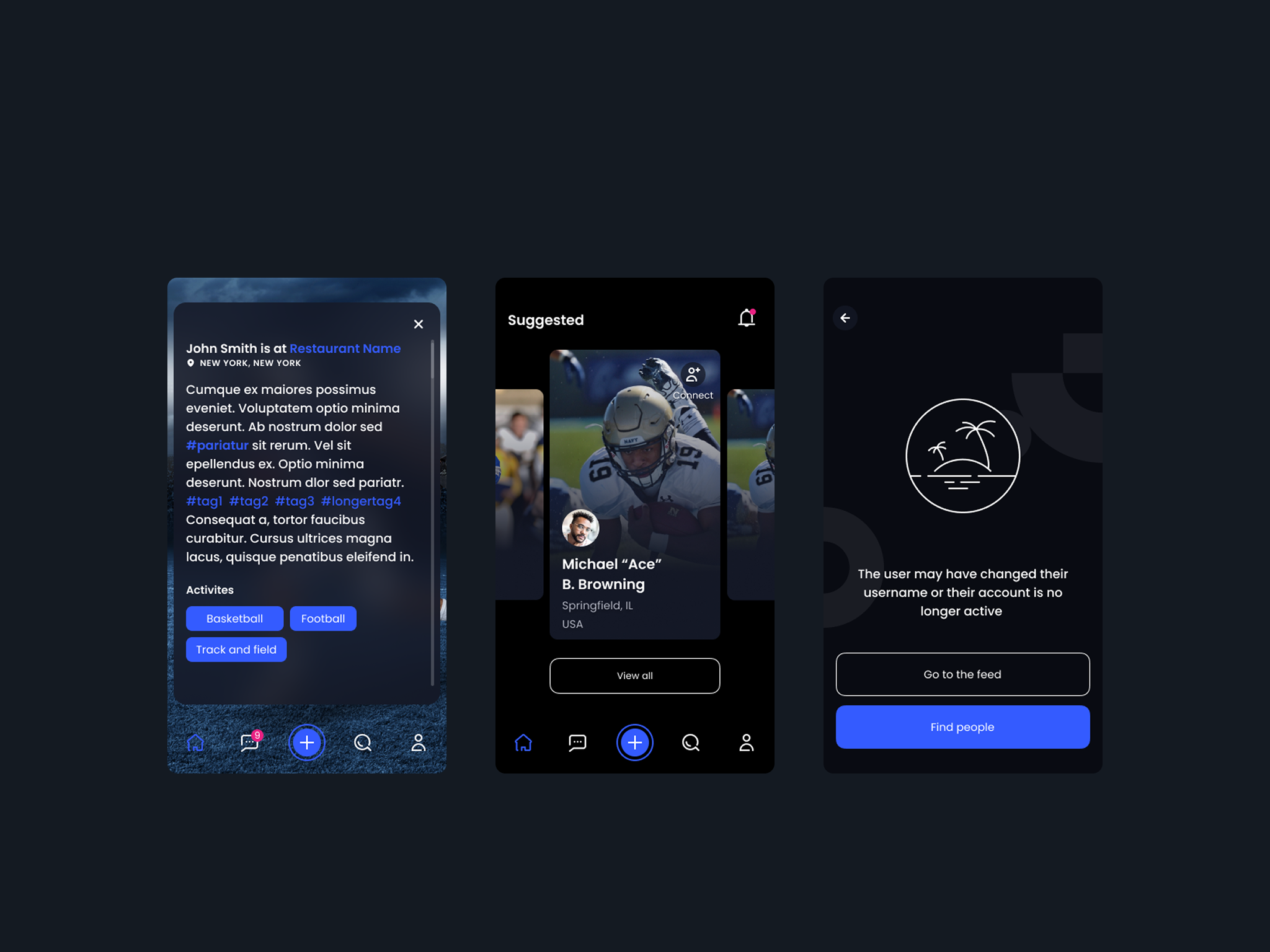
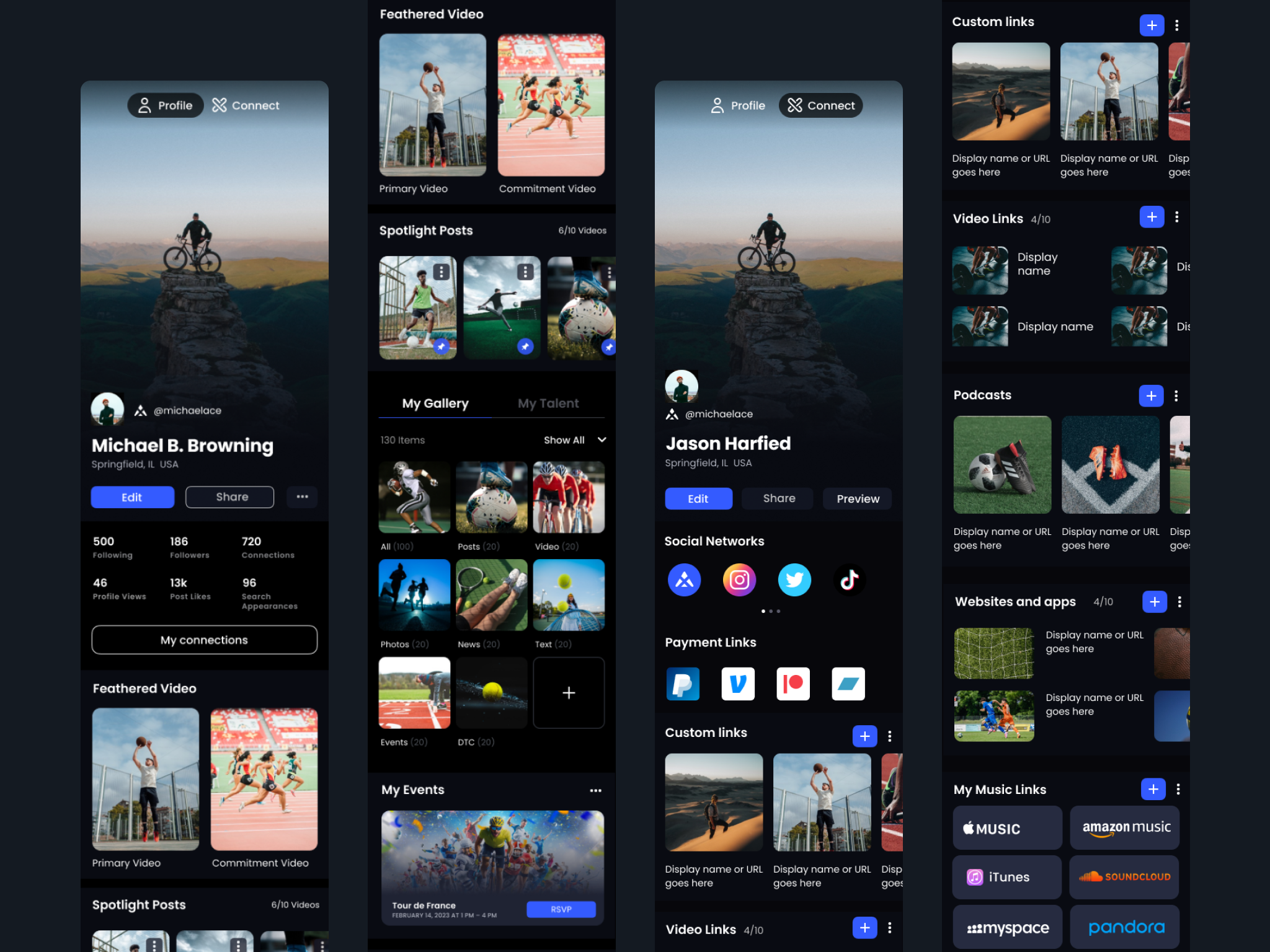
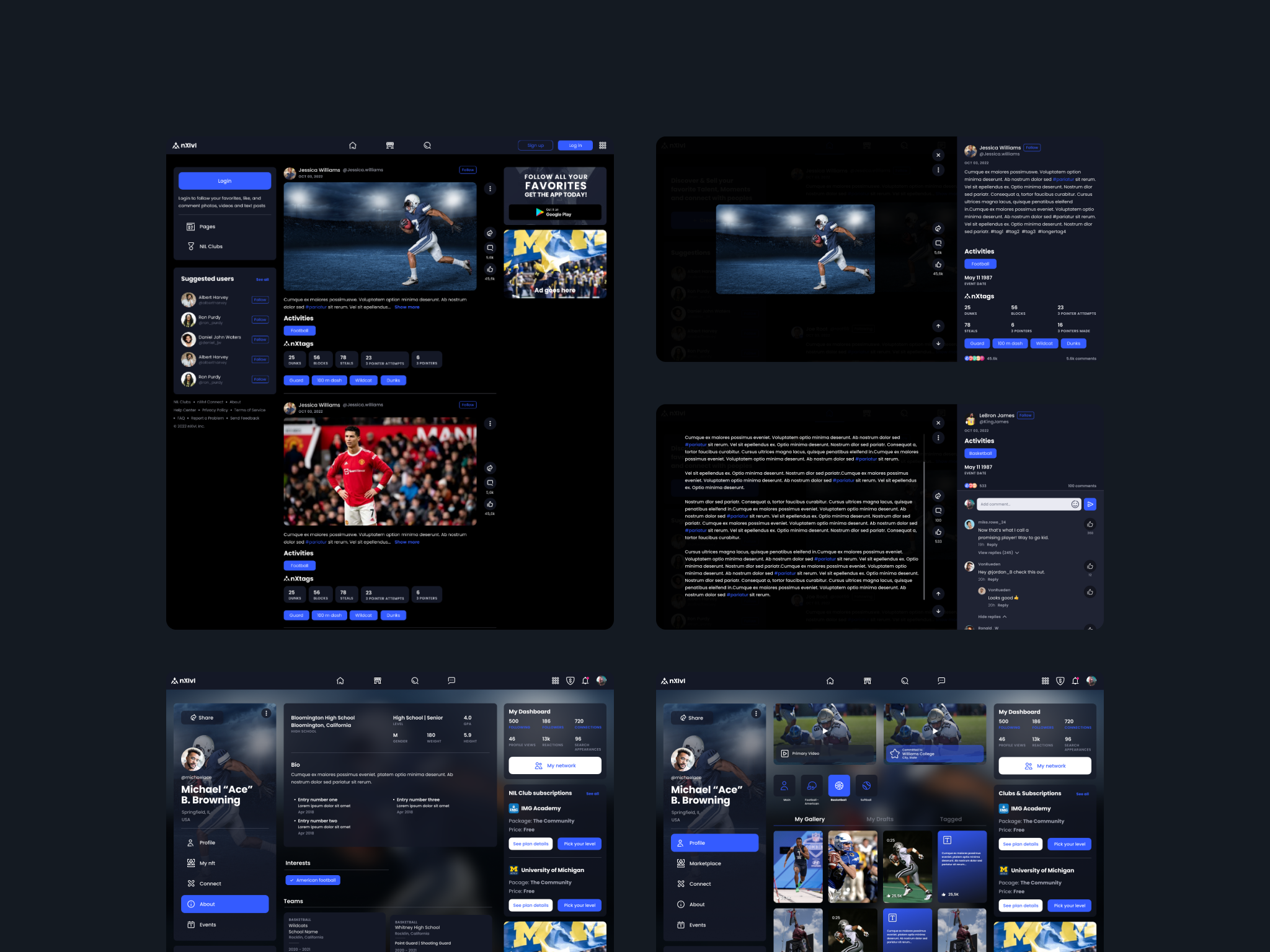
Designed from scratch, the product shipped to public beta in early 2024. Internal stakeholders reported a marked shift in how the team talked about the product — less "which feature are we building" and more "which persona is this for." The design system is now the source of truth for product and marketing, and the team picks up new patterns from it without design review.
What I'd do differently: spend longer in the mode-switch prototyping phase. We shipped the right idea but the first public version had friction at the switch point that took a follow-up release to smooth.